
If you’re reading this, you’ve already taken a step that takes real courage. You’re looking for a path forward and wondering whether Gamblers Anonymous Zoom meetings could be part of it.
This guide is here to help you understand exactly what those meetings are, how to join them, and how they can work alongside professional treatment to support your recovery.
What Are Gamblers Anonymous Zoom Meetings?
Gamblers Anonymous is a peer-led fellowship, not a treatment provider. No clinicians are running the show, no clinical assessments, and no bills.
Meetings are organized and facilitated by other people in recovery from compulsive gambling, following the same basic format GA has used since it started in 1957.
Members share their experience, strength, and hope with each other. They work through the Twelve Steps at their own pace, and hold each other accountable one day at a time.
These meetings were already starting to grow before the COVID-19 pandemic, but lockdowns around the world made online recovery meetings the primary way many chapters connected.
The Basic Format
Moving that format to Zoom didn’t change much of the substance. A typical virtual meeting still follows a familiar arc:
- Opening: A reading of GA’s preamble and the Twelve Steps.
- Sharing: Open discussion where members talk about their week, their triggers, or where they are in their recovery.
- Closing: Group reading or a moment of quiet.
Types of Meetings
Not all Gamblers Anonymous meetings are the same, so you can find a meeting that fits exactly what you need.
- Open Meetings: These are the most common type. Anyone can attend a meeting, and they are often the best place for a newcomer to start.
- Closed Meetings: These meetings are generally only open to people who identify as compulsive gamblers. This format can create a more focused environment where members feel safer sharing extremely personal details.
- Women’s Meetings: Some groups hold meetings specifically for women. These can be important for women who feel more comfortable sharing in a space free from a male-dominated dynamic.
- Topic vs. Speaker Meetings: Different meetings have different formats. In a speaker meeting, a member shares their personal story at length. In a topic meeting, a particular issue, like “chasing losses” or “dealing with shame”, is chosen, and members briefly share how it relates to their experience.
What’s Different Online
What changes on Zoom is mostly logistical, not the substance of the meeting itself:
- You join with a meeting ID and often a passcode
- Cameras can usually stay off if you’re not ready to be seen
- You can mute yourself and just listen for as long as you need to
- Many groups also allow phone dial-in for people without reliable internet or a webcam
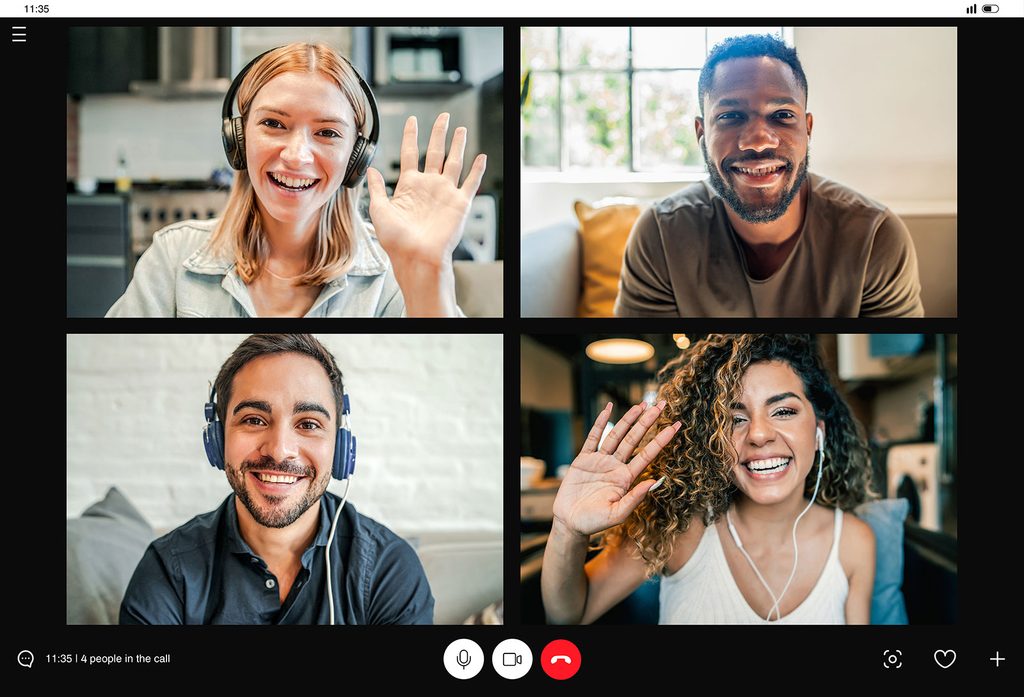
Why People Choose Virtual Meetings
The reasons people default to Zoom meetings over in-person ones tend to fall into a few categories:
Access
Not every city has a nearby in-person meeting. And even in places that do, the schedule might not line up with a work shift, childcare, or a lack of transportation.
Online meetings widen the pool dramatically. Someone in a rural area with one weekly in-person meeting on the wrong side of town suddenly has access to meetings happening somewhere in the world nearly every hour of the day.
Anonymity
GA’s name is built on the idea of anonymity, but for many people, the fear of being recognized at a local meeting is real, especially in smaller communities. A Zoom meeting with the camera off removes that barrier almost entirely.
Ease
Compulsive gambling often comes with a heavy layer of shame, and that shame can make even the idea of driving somewhere and walking through a door feel impossible on a bad day.
Opening a laptop is a smaller ask, and for people early in recovery, that difference in effort can be the thing that gets them to show up at all.
Flexibility
Urges to gamble don’t wait for a convenient meeting time. Having virtual meetings available at more hours means someone in a moment of craving has a better chance of finding a live meeting to jump into instead of waiting until the next in-person session.
Are Gamblers Anonymous Zoom Meetings Free?
Gamblers Anonymous states that there are no dues or fees to attend its meetings.
That can make virtual meetings an accessible option for someone who wants support but is not ready to commit to paid treatment.
However, free peer support and professional treatment serve different purposes. A GA meeting does not become therapy simply because it takes place online, and it should not be treated as a substitute for clinical care when someone needs assessment or treatment for gambling disorder.
The National Council on Problem Gambling explains that peer support can complement formal treatment and that some people may also need professional treatment to address gambling-related problems.

How Do You Find a Gamblers Anonymous Zoom Meeting?
The safest way to find a current virtual meeting is through the official Gamblers Anonymous meeting directory.
The GA website has a dedicated virtual-meeting search. You can filter the listings by country and day of the week.
GA also advises that you do not need to restrict yourself to a meeting in your own state. Its current guidance says people may attend virtual meetings in any state, while reminding participants to account for time-zone differences.
When you open an individual listing, look for details such as:
- Meeting day and time
- Time zone
- Whether the meeting is open or closed
- The meeting platform
- Zoom meeting information, when applicable
- Any meeting-specific access instructions
Meeting information can change, so it is better to use the current official directory than rely on an old meeting ID or link found somewhere else online.
Can’t find a meeting?
If you cannot find a suitable meeting, Gamblers Anonymous provides its International Service Office number, (909) 931-9056, and its U.S. national hotline, 855-222-5542, for assistance with finding meetings.
What to Expect the First Time
Walking into any support meeting for the first time, virtual or not, comes with some anxiety. A few things tend to help:
- You are not required to speak. Most meetings welcome newcomers to simply listen for as long as they want.
- If you do introduce yourself, the norm is usually just a first name, no last names, no identifying details you’re not comfortable sharing.
- It’s fine to keep your camera off. Plenty of long-time members join with video off every week.
- Meetings run on a loose but real structure, so it’s normal for there to be a reading, a round of sharing, and a close. You don’t need to know the format ahead of time.
- What’s shared in the meeting is expected to stay in the meeting. Anonymity is central to how GA operates.
If a specific meeting doesn’t feel like a good fit, that’s common. Formats and group personalities vary. Trying a couple of different meetings before settling on a regular one is normal practice.
Can You Attend a GA Zoom Meeting Anonymously?
Anonymity is an important part of the culture of 12-Step fellowships, but online meetings require some additional common sense.
A virtual meeting is not the same as a confidential medical appointment with a licensed clinician. Avoid sharing information that you would not want other participants to know, particularly identifying financial, employment, or family details.
If privacy is a major concern, professional telehealth treatment may offer a different setting because clinical care is provided by licensed professionals within a healthcare framework.

Are Gamblers Anonymous Meetings a Form of Therapy?
No. Gamblers Anonymous and professional gambling treatment are different forms of support.
GA is a peer-support fellowship. Its members draw on shared experiences to support one another in stopping gambling and maintaining recovery.
Professional treatment, by contrast, involves assessment and care from qualified behavioral health professionals.
Depending on a person’s needs, treatment may address gambling behavior, triggers, emotional difficulties, relationships, financial consequences, and other factors that can contribute to or result from gambling problems.
This distinction does not make one option “better” than the other. They can serve different roles.
Someone might attend GA meetings for connection and ongoing peer support while also working with a professional therapist. Another person may begin with a GA meeting and later decide that professional treatment would be helpful.
The important thing is to use the level of support that matches your situation.
How Professional Virtual Treatment Complements GA
This is a crucial point. Gamblers Anonymous is a powerful resource, but it is not a replacement for professional treatment.
GA provides peer support and a structured 12-step program of recovery. It is a fellowship of people who share their experience. It does not involve licensed clinicians, and it does not provide evidence-based therapies like cognitive behavioral therapy (CBT).
This is where a service like Better Bet fits in. It’s a virtual/telehealth treatment referral service for gambling addiction. They connect people with licensed clinicians who specialize in gambling disorder.
Their programs follow a structured model grounded in CBT, motivational interviewing, and relapse prevention.
The most effective path to recovery for many people is a combination of both. Professional therapy provides the clinical tools to understand the addiction, manage triggers, and address co-occurring conditions like anxiety or depression.
Organizations like Gamblers Anonymous provide the community, accountability, and ongoing, long-term support that help make recovery stick.
Better Bet recognizes this, noting in their program that after the initial 12 weeks, they help people find the right fit among self-help groups like Gamblers Anonymous and SMART Recovery.
Gamblers Anonymous is independent of professional treatment and is not affiliated with any specific telehealth service. They are a complementary resource that is available at no cost to anyone seeking help.

You Are Not Alone
If gambling is affecting your mental health, relationships, or ability to meet basic obligations, consider adding professional treatment rather than relying on peer support alone.
Taking the first step to look for help is a moment of strength. You’ve been carrying a heavy load, and it’s okay to feel overwhelmed. But you don’t have to face this alone. Whether you choose to simply listen or eventually share your story, the door is open.
For a comprehensive recovery plan that includes clinical therapy to address the root of the addiction, reach out to a professional treatment referral service to see if you qualify for their programs.
The path to a gambling-free life is real, and it starts with one step: a conversation. The call is confidential, and there’s no judgment.
Take care of yourself. You deserve support.
FAQs
Is There a Meeting for Family Members?
Yes. Gam-Anon is the companion fellowship for spouses, family, and friends affected by someone else’s gambling. It holds its own virtual meetings, and some listings in the GA directory are combined Gam-Anon/GA meetings where both groups meet in parallel. If gambling is affecting your household, support for loved ones exists on both the peer and professional side.


