
Fact: There’s no FDA-approved medication for gambling disorder. That tends to surprise a lot of people, especially once they learn how many other addictions have pharmaceutical treatment options.
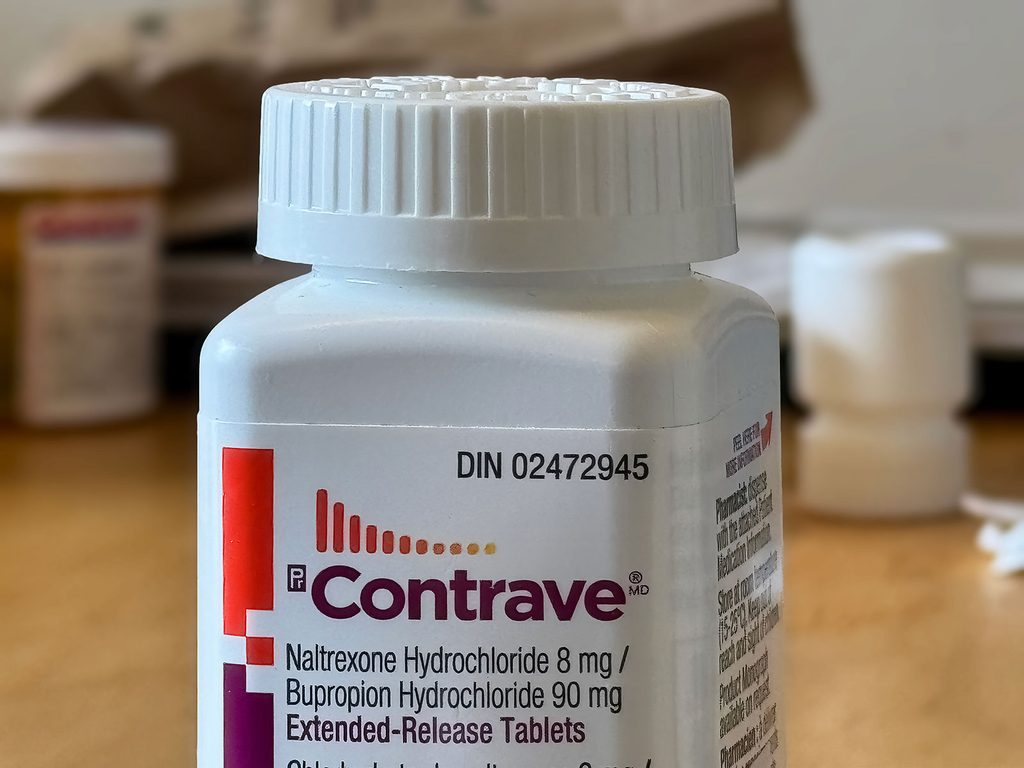
But one medication keeps coming up in research and clinical practice, and that is naltrexone. Originally developed for alcohol and opioid use disorders, it’s now prescribed off-label to help quiet the urges that drive compulsive gambling.
Here’s what the evidence says about how Naltrexone works and where it fits:
Naltrexone: What It Is and How It Works
Naltrexone belongs to a class of drugs called opioid antagonists. It was originally developed to treat alcohol and opioid use disorders, and it’s been used for that purpose for decades.
The way it works is fairly simple, even if the brain chemistry behind it isn’t. When someone gambles, especially during a win or a near-win, the brain releases opioids that trigger a dopamine response. That’s the rush people chase.
Naltrexone blocks opioid receptors, which interrupts that chain reaction. The reward signal gets muted, so the “high” of gambling doesn’t hit the same way.
For someone caught in a cycle of compulsive gambling, that muted response can help a lot. Cravings often lose some of their intensity. The urge to keep playing after a win, or to chase a loss, doesn’t disappear entirely, but it can become easier to resist.
That said, taking this medication doesn’t count as a psychological intervention. Naltrexone can’t change the thought patterns behind gambling, like the belief that a win is “due” or that a system can beat the odds.
Rather, it works on a biochemical level, targeting the brain’s reward circuitry directly instead of the thinking that drives someone back to the table.
Why do you need to know the difference? Because it’s part of why naltrexone is discussed as one tool among several, not a treatment that stands on its own. Usually, it fits into a broader plan.
Why Naltrexone Is Being Used for Gambling Disorder
There’s a simple reason naltrexone comes up in gambling treatment: nothing else has a green light. No medication carries FDA approval for gambling disorder, so every pharmacological option on the table is being used off-label, naltrexone included.
That gap exists partly because gambling disorder is still a newer diagnosis, at least in medical terms. It wasn’t officially classified as a behavioral addiction until the DSM-5 grouped it alongside substance use disorders in 2013.
Before that, it was often treated as an impulse-control problem. Closer to kleptomania than to alcoholism.
That reclassification changed how researchers think about treatment. If gambling disorder shares the same reward-circuitry disruptions as substance addiction, then medications that work on those pathways, like naltrexone, became worth testing.
Such logic held up well enough in early trials that naltrexone is now the most studied pharmacological option for gambling disorder, even without formal approval.
A few features point to why the medication became the frontrunner:
- Shared neurobiology. Gambling and substance addiction both hijack the brain’s opioid-driven reward system, so a medication that blocks that pathway has a plausible mechanism in both.
- Existing track record. Decades of use in alcohol and opioid treatment gave researchers a known safety profile to build from, rather than starting from zero.
- Non-addictive itself. Unlike some psychiatric medications explored for gambling, naltrexone carries no dependency risk of its own.
Unfortunately, none of that adds up to an FDA approval. It does add up to a reasonable, evidence-informed off-label option, which is a different thing.
What the Research Actually Says
The most substantial evidence on naltrexone for gambling disorder comes from a 2022 Cochrane review, which pooled 17 randomized controlled trials and was later used by the UK’s National Institute for Health and Care Excellence (NICE) to shape its 2025 gambling treatment guidelines.
It’s worth noting this review, not because the results are dramatic, but because it’s the closest thing to a definitive answer available right now.
What NICE’s Review Tells Us
Across four trials comparing opioid antagonists like naltrexone to placebo, the evidence showed a measurable reduction in gambling symptom severity.
However, the same review found no meaningful difference in “responder status,” meaning naltrexone didn’t significantly improve the odds of someone achieving full abstinence compared to placebo.
Reducing severity and stopping gambling altogether turned out to be two different outcomes. Naltrexone happened to perform better on the former than the latter.
There’s one additional finding worth sharing. In a single study, people taking naltrexone saw improvements in depression, anxiety, and daily functioning at the 18-week mark.
Given how often gambling disorders overlap with mood and anxiety symptoms, the latter is an excellent secondary benefit, even if it wasn’t the primary outcome being tested.
That said, a few caveats temper all of this:
- The evidence is thin. Only four trials, involving 562 participants total, examined opioid antagonists specifically. That’s a small pool to draw firm conclusions from.
- Certainty is low. NICE graded the evidence as “low certainty,” largely due to small sample sizes and inconsistent results across studies.
- No dosing comparisons exist. None of the trials tested different doses against each other, so no data is pointing to an optimal amount.
As a result, NICE’s own recommendation reflects that caution. Naltrexone is what’s known as a “weak” or “consider this” recommendation, meaning the medication is only a reasonable option worth discussing, not a proven first-line treatment.

Who Might Be a Candidate (and Who Isn’t)
Naltrexone isn’t offered to everyone with a gambling problem, and that’s on purpose.
In practice, that means psychological treatment comes first. Cognitive behavioral therapy (CBT) has stronger evidence behind it than any medication currently studied for gambling disorder. As such, it’s typically what a prescriber will try before adding naltrexone into the treatment plan.
When Is Naltrexone Typically Prescribed?
If therapy alone hasn’t moved the needle, however, or if someone keeps relapsing despite consistent treatment, that’s likely when naltrexone tends to be prescribed.
Here are a few situations where the medication is bound to come up:
- Therapy alone hasn’t worked. Someone who’s completed a full course of CBT or similar treatment but still struggles with urges.
- Relapse keeps happening. Repeated cycles of progress followed by a return to gambling, despite genuine effort in treatment.
- Cravings feel physically intense. Some people describe the pull to gamble as closer to a compulsion than a choice, which lines up with what naltrexone targets biochemically.
Who Is Naltrexone Not For?
On the other side, there are people naltrexone isn’t right for. For instance, anyone currently using opioids, whether prescribed or otherwise, generally shouldn’t take it, since it blocks the receptors those medications rely on.
Additionally, people with liver conditions need extra scrutiny too, given naltrexone’s potential to affect liver function.
None of this is something for you to sort out alone. Whether naltrexone makes sense comes down to a full patient history, including other medications, health history, and how someone has responded to treatment so far. In other words, it’s a conversation to have with your prescriber.

Naltrexone: Safety, Monitoring, and Side Effects
Naltrexone is generally considered safe when properly supervised, but like any medication, it comes with real considerations. Understanding what to expect and what to watch for is part of making an informed decision about treatment.
Common Side Effects
Most people tolerate naltrexone reasonably well, but side effects do happen. The most commonly reported ones include nausea, headache, fatigue, and dizziness.
These tend to show up early in treatment and often ease as the body adjusts, though for some people they’re uncomfortable enough to stop treatment altogether.
Liver Function and Monitoring
Because naltrexone is processed by the liver, monitoring is highly important.
NICE guidance calls for baseline liver and kidney function tests before starting treatment, followed by regular follow-up testing, typically at the four-week mark and again at six months.
Anyone with existing liver conditions needs closer attention, since naltrexone carries some risk of affecting liver function further.
Avoiding Opioids
This one is non-negotiable. Naltrexone blocks opioid receptors, so taking opioid medications while on it either won’t work as intended or could trigger withdrawal symptoms in someone who’s opioid-dependent.
As such, anyone starting naltrexone needs to be upfront with their prescriber about any opioid use, current or recent, before treatment begins.
Why Supervision for Naltrexone Is Important
Given the monitoring involved and the risks around opioid interactions, naltrexone isn’t something to start without medical oversight.
NICE guidance, for example, is explicit that the medication should only be initiated and supervised by a qualified, experienced prescriber. It should never be managed informally or adjusted without guidance.
Medication Isn’t a Standalone Fix for Gambling
Medications like naltrexone often feel concrete in a way that therapy sometimes isn’t. But, as you’ve seen from the provided research, naltrexone can’t be used on its own as a treatment for gambling.
Gambling disorder responds best to a combination of approaches, and the medication is just one piece of that.
Cognitive Behavioral Therapy
CBT has the strongest evidence base of any treatment for gambling disorder, pharmacological or otherwise.
It works by identifying the distorted thinking that fuels compulsive gambling. That can include believing a loss means a win is overdue. The therapy then replaces those patterns with healthier ways of responding to urges.
Motivational Interviewing
Motivational interviewing takes a different approach. Rather than challenging thought patterns directly, it helps someone explore their own reasons for wanting to change. This helps build internal motivation rather than relying on external pressure.
Note: MI is often used alongside CBT rather than a replacement for it.
Support Groups and Peer Recovery
Structured therapy isn’t the only treatment that matters. Peer support, whether through Gamblers Anonymous or similar group formats, gives people a space to stay accountable and hear from others navigating the same recovery.
That kind of ongoing community support often matters the most after formal treatment winds down.
Combining Approaches
None of these treatments cancel each other out. In fact, the evidence suggests the opposite: naltrexone tends to work best as an adjunct to psychological therapy, not a substitute for it.
Someone who’s completed CBT and still struggles with cravings may benefit from adding medication into their treatment plan.

Talking to a Prescriber
If gambling has started to feel out of your control, the most useful next step is to have a conversation with a licensed prescriber. They can look at your full history, including other medications, health conditions, and what treatment you’ve already tried.
Better Bet connects people in New York, New Jersey, Ohio, and Florida with licensed clinicians who can walk through those options, medication included, as part of a broader treatment plan.
Frequently Asked Questions
Is gambling disorder the same as pathological gambling?
Yes. “Pathological gambling” was the older diagnostic label under the DSM-IV. In 2013, the DSM-5 renamed it gambling disorder and reclassified it alongside substance use disorders rather than other mental disorders of impulse control. You’ll still see “problem gambling” used for milder or subclinical patterns.
What other medications have been studied for gambling disorder?
Researchers have tested several pharmacological treatments, including antidepressants like SSRIs (selective serotonin reuptake inhibitors), mood stabilizers, and atypical antipsychotics. Results have been weaker or inconsistent compared to opioid antagonists. Nalmefene, a close relative of naltrexone, is the other opioid antagonist with clinical trial data behind it.
Does naltrexone stop gambling urges completely?
No. It dampens the reward response in brain regions like the nucleus accumbens, which makes gambling urges less intense and easier to resist. Many problem gamblers still experience cravings; they’re just quieter.
Is naltrexone used for anything besides gambling?
Yes. Naltrexone is FDA-approved for alcohol dependence and opioid use disorder, and has been prescribed for both for decades. Its use for gambling disorder is off-label.
Can naltrexone replace therapy?
No. Psychotherapy, especially CBT, remains the first-line treatment, and medication works best as an add-on when therapy alone hasn’t been enough.


