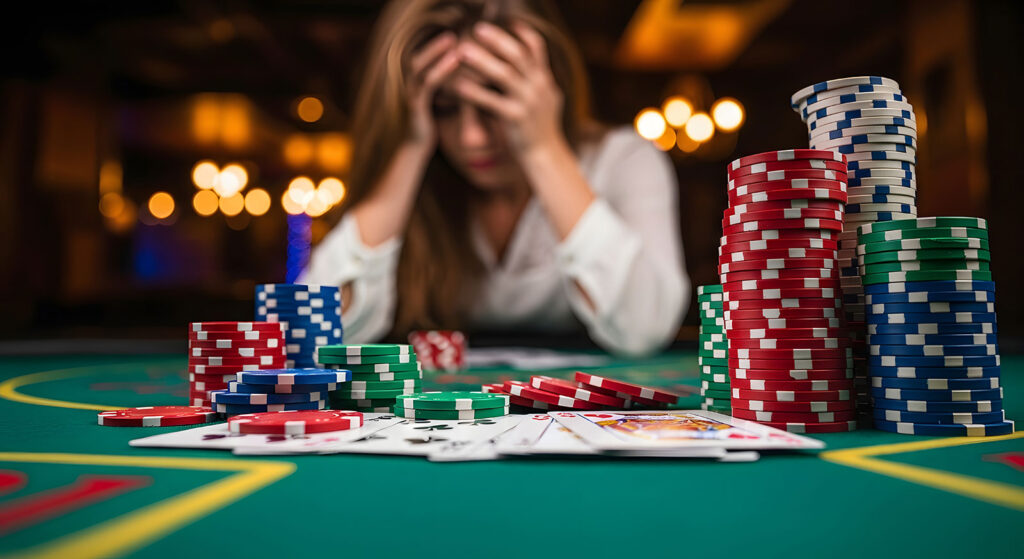
Losing all your money due to gambling is one of the toughest situations anyone could face. It’s normal to feel sad or angry. But if you’re overcome with intense emotions of rage, despair, or hopelessness that might lead to self-harm, you must call a crisis helpline immediately.
What do you do once the initial shock has worn off?
Read this guide for actionable steps to follow after heavy gambling losses. They involve freezing your access to more gambling, assessing your current financial standing, and being honest with yourself about your gambling problem (and a potential disorder).
Next, seeking professional treatment for problem gambling will be your gateway to a life free of anxiety, debt, and financial stress.
Crisis Resources to Contact if You’re Distressed
Available 24/7, free and confidential
Here are a few hotlines to contact about your gambling crisis, available 24/7 to offer immediate, confidential support:
- Call or text 1-800-MY-RESET (1-800-697-3738), the National Problem Gambling Helpline, or use the online National Problem Gambling Chat service.
- Call or text 988 (the U.S. Suicide & Crisis Lifeline) for toll-free mental health and crisis support.
What to Do if You’ve Lost All Your Money Gambling: 3 Crucial Steps
The first 24 hours
- Do not gamble again, and do not chase losses
- Delete gambling apps and self-exclude from your accounts
- Lock your cards and move money out of easy reach
- Tell one trusted person what happened
- If you feel hopeless or unsafe, call or text 988
Once you’re composed, you need to sit down and reflect on your situation. Accept your loss and, most importantly, do not try to gamble again or “chase losses.”
Realistically, the odds of you losing more money are higher than the odds of you making up for your earlier losses. The last thing you need is more financial damage. Having reached that conclusion, move on to the next steps to recover from gambling losses.
Step 1: Freeze Your Access to Gambling
As you’re probably prone to compulsive gambling, the right thing to do is to cut off all access to betting channels that might make it hard to resist the temptation.
Start by deleting any gambling apps, blocking betting sites, and opting out of newsletters or services that offer gambling news, tips, etc. After that, lock your credit or debit cards to make sure you lose temporary access to money that you can otherwise use to bet again.
For the time being, hand control of your finances to a trusted and responsible family member or friend. This way, they can receive your salary and use it to pay your bills (or any of your regular financial obligations) without giving you direct access to cash.
Beyond blocking apps and locking cards, two stronger tools exist. The first is self-exclusion programs: most states with legal gambling run registries that ban you from casinos and licensed sports betting apps for a set period (often one to five years), and individual sportsbooks and casinos offer their own self-exclusion options in account settings.
The second is dedicated blocking software like Gamban or BetBlocker, which blocks access to thousands of gambling sites and apps across all your devices at once, which is far more thorough than blocking sites one at a time. (In the UK, the charity GamCare provides Gamban free of charge; in the U.S., it’s a small subscription.)
Step 2: Evaluate Your Financial Situation and Act Accordingly
Right now, you should focus on surviving the upcoming period based on your current financial situation. Look at the numbers showing your bank balance, debts, and bills for the next month.
Only allow money for necessities, like electricity and water bills, food, transportation, rent, and everything else you’ll need for your survival (or your family’s). Other non-essential items or debts can wait for now, until your finances recover.
Once immediate survival is covered, start creating a budget for the months ahead. It doesn’t need to be complicated: income on one side, essential expenses on the other, and a written list of every gambling debt you owe: credit cards, loans, and money borrowed from family. Seeing the full number is uncomfortable, but budgeting around a known figure beats guessing.
For the debts themselves, contact creditors directly and ask about a repayment plan. Many will negotiate reduced payments if you explain your situation before missing payments. A nonprofit credit counselor or a financial advisor can help you structure this and set realistic financial goals for digging out.
If debt collectors are already calling, don’t make panic payments. Get every agreement in writing, pay survival expenses first, and know that harassing calls have legal limits under the FDCPA. A nonprofit credit counselor can negotiate a debt management program on your behalf, and the NFCC is a good place to find one.
One rule above all: never borrow new money to win back gambling losses. A financial crisis caused by gambling cannot be solved by more gambling, only by stopping, budgeting, and repaying over time.
Step 3: Admit You Have a Gambling Problem
Not everyone who gambles has a gambling disorder or addiction. However, the more frequently and excessively you gamble, the more you’ll be at risk of developing compulsive gambling (also known as problem gambling).
Gambling addiction is a mental disorder that requires professional, evidence-based treatment. If you ignore it, you could go back to gambling and lose more money. Also, unfortunately, gambling addiction might lead to other complications that go beyond the financial.
This is why it’s important to educate yourself on what a gambling disorder is, its symptoms, risk factors, and troublesome consequences.
The Shame Spiral Is Part of It
After a major loss, most people cycle through shame, guilt, grief, despair, even numbness. That’s normal, and it’s dangerous, because shame is exactly what drives people back to chasing losses to “undo” the damage. Treat the feelings as a symptom to manage with self-compassion and support, not a verdict on who you are.
Tell Someone You Trust
Pick one close friend or reliable family member and tell them everything: the losses, the debt, all of it. Honesty breaks the secrecy that gambling feeds on. Ask them for two things: to hold your money for now, and to be the person you call when an urge hits. That accountability does more than willpower ever will.
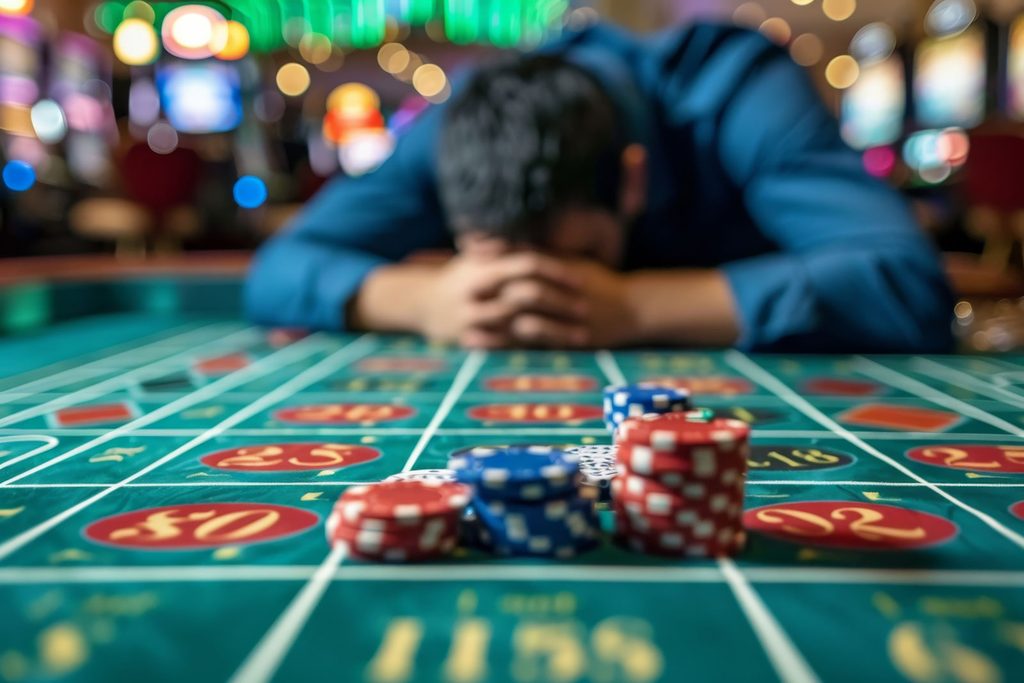
Gambling Disorder (or Addiction): A Brief Overview
When someone struggles with a gambling disorder, the situation is similar to dealing with substance use disorders (drug or alcohol addiction). In both cases, the brain’s reward system is affected, resulting in a mental disorder and a loop that’s hard to break free from on your own.
That’s why gambling addiction has been labeled as a medical condition that needs structured treatment.
A strong will isn’t enough to stop addictive gambling; a solid recovery program includes counseling, support groups, and other strategies to effectively overcome problem gambling.
Symptoms of a Gambling Disorder
The following behaviors may indicate a serious gambling problem. At a treatment facility, a mental health provider diagnoses a gambling disorder and determines its severity based on the number of symptoms someone has displayed within the last 12 months.
- Unrelenting thoughts about gambling (reliving or glorifying past experiences or planning for future opportunities)
- Thinking it’s necessary to chase losses after losing money or precious items to gambling
- Feeling the need to gamble with more and more money to reach the same level of thrill
- Repeatedly trying to limit your gambling habits or completely quit betting, with no success
- When attempting to stop gambling, you feel irritated or restless (withdrawal symptoms)
- Needing to depend on financial aid from others to cover up your losses (or gamble more)
- Gambling as a way to escape stressful or negative thoughts or emotions
- Jeopardizing work or school achievements or meaningful relationships due to gambling
- Hiding your betting habits from the people you love by lying or fabricating events
- Gambling when you’re feeling distressed
Risk Factors of Gambling Addiction
You’re more likely to develop a gambling addiction or disorder if:
- You’re always in the company of people with problem gambling, like a family member or a friend.
- You’re a highly competitive individual who likes to try new things, accept difficult challenges, and act on impulses.
- You’ve gambled in your childhood or adolescence.
- You have a mental health condition, from substance use disorder to anxiety, depression, bipolar disorder, obsessive-compulsive disorder (OCD), or attention-deficit/hyperactivity disorder (ADHD).
- You’re taking medications for Parkinson’s disease or restless legs syndrome; both types of meds were linked to compulsive behaviors.
Complications of Untreated Gambling Addiction
Besides the obvious financial issues (from debts to outright bankruptcy), gambling hurts other equally valuable aspects of your life, which is why treatment isn’t optional:
- Losing your identity and control over your decisions
- Struggling to hold your relationships together
- Dealing with work difficulties, unemployment, or homelessness
- Legal problems that could lead to imprisonment
- Suicidal ideation, self-harm, or attempts at suicide
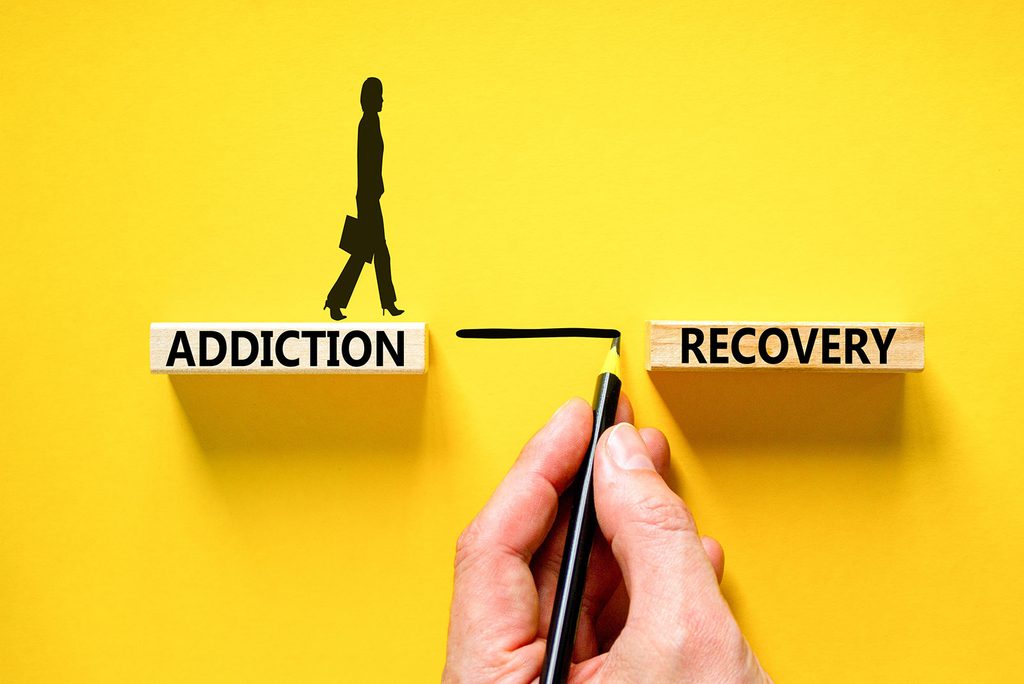
Components of a Gambling Addiction Treatment Program
Across different treatment facilities, you can expect problem gambling recovery programs to contain the following components.
Each treatment plan is modeled with utmost care, factoring in each patient’s medical history, mental health, and psychological state.
1. Initial Assessment
Once you contact a reliable mental healthcare provider, you’ll be diagnosed after undergoing a few psychological tests. A specialist will inquire about your gambling behavior, determining whether your addiction is mild, moderate, or severe.
During this stage, it’s crucial to answer each question honestly. Hiding details about your gambling habits can keep professionals from accurately diagnosing your condition, which will then result in a lacking, ineffective treatment plan.
2. Behavioral Therapy
Since the gambling cycle impairs normal brain functions, structured behavioral therapy can help restore the way your brain works. Counseling allows patients to come to terms with their gambling addiction, understand its triggers, and develop healthy coping strategies.
Some therapy options for gambling disorder include:
- Cognitive Behavioral Therapy (CBT): CBT is an evidence-based type of psychotherapy that focuses on helping people identify harmful thought patterns, then change them to feel and behave better. It reinforces the concept that thoughts, emotions, and behaviors are deeply connected.
- Motivational Enhancement/Interviewing: MI encourages patients to change their negative behaviors by connecting them to their inner motivation.
- Personalized Feedback: This therapy strategy allows individuals to input their gambling habits into a system, which can be automated or supervised by a healthcare professional. Their reports are then compared to how people normally behave.
- Family therapy: For gambling addiction patients, family therapy works to resolve conflicts, clear misconceptions, teach family members how to stop enabling actions, and build a stable household to assist with recovery.
Behavioral therapy could be individual (one-on-one sessions with a specialist) or in a group setting, as befits each person’s condition.
3. Medications
Even though there aren’t FDA-specified medications for a gambling disorder, some other meds used for mental disorders could be prescribed for treatment.
Mental health conditions that might coexist with compulsive gambling (like anxiety, depression, or bipolar disorder) could be treated with mood stabilizers or antidepressants.
Narcotic antagonists, normally administered for substance use disorder, can help as well.
4. Self-help Groups
Guided self-help resources and support groups for gambling disorders make patients feel more connected and involved in their recovery. Talking with other individuals who share similar struggles fosters a sense of belonging and working toward a common purpose.
Groups like Gamblers Anonymous could be great in boosting morale.
5. Aftercare and Relapse Prevention
The final component of a treatment plan includes aftercare and relapse prevention.
Across these programs, patients learn how to manage their urges, avoid triggers, act in times of crisis, and relieve stress healthily instead of going back to gambling.

Levels of Care for Gambling Disorder Treatment
Depending on your needs and the severity of your condition, gambling addiction treatment may be provided as part of an inpatient program, partial hospitalization, intensive outpatient care, or a standard outpatient program.
| Level of care | What it looks like | Typically suited for |
|---|---|---|
| Inpatient / residential | Admitted to a hospital or care facility for 24/7 medical supervision | Severe cases |
| Partial hospitalization (PHP) | High-intensity clinical treatment during the day, then head back home at night | Moderate compulsive gambling |
| Intensive outpatient (IOP) | Nine or more hours of therapy per week, with more freedom | Mild to moderate cases |
| Standard outpatient | Weekly or bi-weekly therapy sessions or meetings | Mild gambling addiction |
Frequently Asked Questions
I feel like I’ve hit rock bottom. Is recovery still possible?
Yes. Many people describe losing everything as their rock bottom, and also as the moment they finally sought professional help. Financial recovery and emotional recovery happen on different timelines: the money takes months or years to rebuild, but the relief of stopping often comes much sooner. Both are easier with support.
Does it matter what kind of gambling caused the losses?
No. Whether the money went to sports betting, roulette, slots, or online poker, the same reward-system mechanics are at work, and problem gamblers across every format respond to the same treatments. The steps in this guide apply regardless of what you played.
How do I rebuild after losing everything?
Slowly, and on two tracks. Financially: a realistic budget, steadily repaying debts, extra income if you can find it, and time. Your credit record heals as payments stay current. Personally: a healthy daily routine, therapy or peer support, and financial goals paired with life goals beyond the money. Stopping gambling is the start of recovery, not the end.
Final Thoughts: Virtual Therapy for Problem Gambling at Better Bet
Are you looking for specialized and licensed therapists for problem gambling in New York, New Jersey, Ohio, or Florida? At Better Bet, our goal is to connect you to evidence-based online therapy for gambling addiction.
Reach out, get a free consultation, connect with a licensed provider and a small virtual group, then finish with a personalized relapse prevention plan.
Through HIPAA-compliant, secure video sessions, your gambling problem will be approached with a high degree of compassion and professionalism. And if you have financial problems, Better Bet partners with major insurance providers to make things easier for you.
The road to living a life free of gambling doesn’t have to be taken alone. Start working toward long-term recovery by contacting Better Bet today.


